

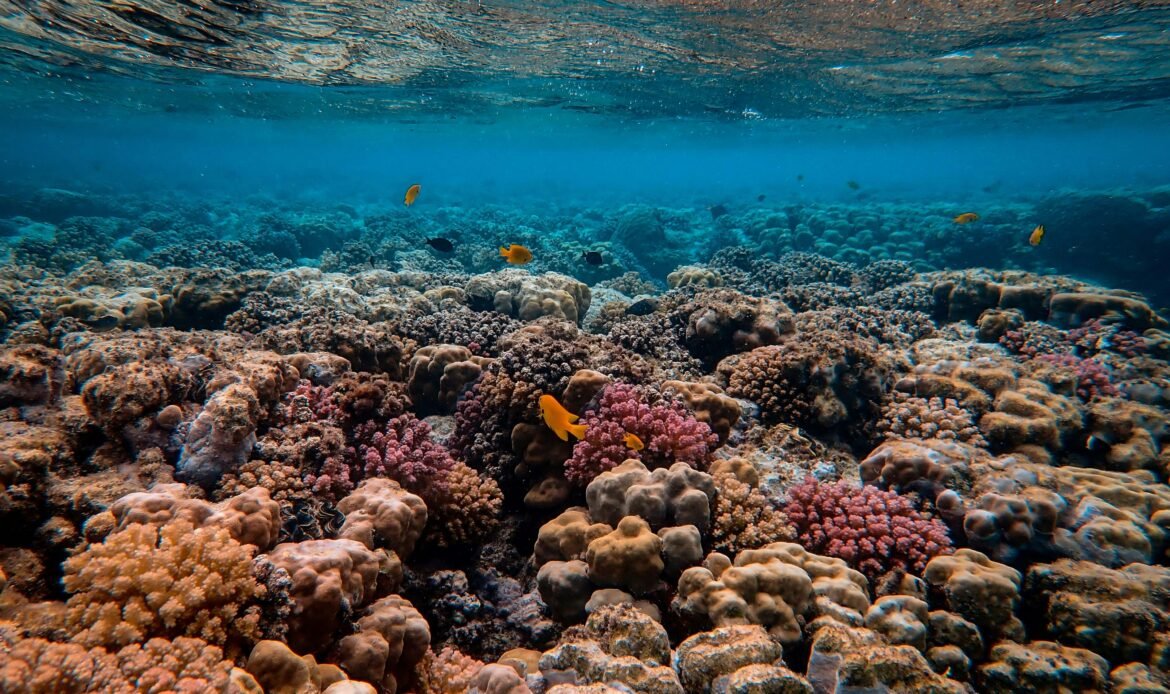
We often hear about climate change making summers hotter or winters more freezing, but one of its most heartbreaking impacts is happening beneath the oceans — far from our daily view — the devastating deterioration of our planet’s coral reefs. These aren’t just pretty rocks; they’re vibrant underwater cities teeming with life, and they are in serious trouble because of global warming.
What Is Actually Happening? The Bleaching Nightmare:
Imagine your home suddenly becoming unbearably hot, with no escape. That’s what we’re doing to coral reefs. The main culprit: rising ocean temperatures caused by global warming.
Corals are amazing creatures, but they’re incredibly sensitive. They live in a delicate partnership with tiny algae (called zooxanthellae) that live inside their tissues. These algae are like the coral’s personal chefs and painters — they provide most of the coral’s food through photosynthesis and give them their stunning colors.
Here’s the dilemma: When ocean water gets just 1–2 degrees Celsius warmer than normal for too long — something that is happening more and more often — the corals get stressed out. They essentially kick out their vital algae partners. Without the algae:
- They Lose Their Color: The coral turns stark white; this is called “coral bleaching.” It’s a sign of severe distress, not death… yet.
- They Starve: Without their algae chefs, corals lose their main food source. They become weak and vulnerable.
- They Die: If the warm water persists, bleached corals can’t recover. They die, leaving behind ghostly white skeletons.

It's Not Just About the Corals: It's a Ripple Effect:
Coral reefs are bustling ecosystems of the ocean. Think of them as underwater rainforests. Their collapse will have massive ripple effects throughout the marine ecosystem. Some of the bigger problems are:
1. Loss of Habitat: Countless fish, crabs, lobsters, sea turtles, and other creatures rely on reefs for food, shelter, and breeding grounds. When the reef dies, these animals lose their homes, leading to dropping fish populations.
2. Coastline Vulnerability: Reefs act as natural breakwaters, absorbing enormous wave energy and protecting our shorelines from erosion and storms. Dead reefs crumble, leaving coastal communities more exposed.
3. Food Security: Millions of people worldwide depend on reef fish as a primary source of protein. Dying reefs threaten this vital food supply.
4. Economic Impact: Reefs support huge industries like tourism and fishing. Their loss means lost jobs and income for countless communities.
What Do We Need to STOP Doing?
The science is very clear about this: the main driver of destruction is the greenhouse gases (especially carbon dioxide — CO₂) we pump into the atmosphere by burning fossil fuels. To give corals even the slightest chance, we must:
1. STOP Burning Fossil Fuels So Recklessly: This is the big one! We need to rapidly transition away from coal, oil, and gas for our energy needs. Every ton of CO₂ we don’t put into the atmosphere helps slow down ocean warming and acidification (the harmful effect of CO₂).
2. STOP Ignoring Sustainable Choices: Our everyday choices matter. Opt for energy-efficient appliances, drive less (use public transport, bike, walk), and support businesses committed to sustainability. It all adds up to reducing the demand for fossil fuels.
3. STOP Destructive Practices Near Reefs: Even locally, things like overfishing, pollution (sewage, plastic, chemicals), and careless tourism (like stepping on corals or dropping anchors) further stress already vulnerable reefs. We need stronger protection and responsible practices.
4. STOP Thinking It’s Someone Else’s Problem: Coral reefs are a global treasure, and their fate is tied to global action. We all need to care, speak up, and demand change from leaders and industries.
There's Hope, But We Need Action NOW:
Coral reefs are very resilient, and some can and will recover if we give them a break. Protected areas and restoration projects will help, but they merely act as band-aids without tackling the root cause of the problem — climate change.
Saving the reefs means fundamentally changing how we power our world. It means choosing clean energy, supporting climate policies, and living more sustainably. It’s about realizing that the fate of these dazzling underwater cities is ultimately linked to our own well-being.
Let’s not be the generation that watched the ocean’s rainforests fade away. Let’s turn down the heat and give our reefs, and the incredible life they support, a chance to thrive again.

What Can YOU Do Today?

Reduce your energy use, support renewable energy initiatives, choose sustainable seafood, minimize plastic, and talk about why coral reefs matter! Every action counts.